
Rabbi Schneider — Tabernacles (05/31/2017)
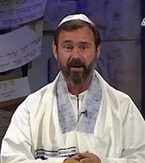
Shalom, Yedidim. Yedidim is the Hebrew word for beloved ones, and we are the beloved ones of the Lord. You know, the Father tells us in the book of John, behold what manner of love the Father has given unto us, that we should be called the children of God.
John oftentimes refers to us as the beloved of the Father. Isn't that an awesome thing? I had a dream not too long ago. It was so touching. And in this dream, there was like this man. He was a grandfatherly type of man, and he was just gently disciplining me and shepherding me, but it was so gentle.
And I realized it was the Father. It was Father God telling me this is how he disciplines me, this is how he loves me. And beloved, it was so gentle. His approach to me and to shepherding me, it was so gentle.
We are today continuing our series in the fall holy days of the Lord. Right now, beloved, we're in the midst of the season of the most sacred time on God's sacred calendar. You know, we have a calendar that we go by in America and in much of the world. It's called the Gregorian calendar.
Once again, the Gregorian calendar. It begins on January, as you know, and ends on December. But did you know that God also has a calendar? And his calendar, beloved, is outlined for us in the rd chapter of the book of Leviticus.
The most sacred month on God's calendar is the seventh month. It's called the month of Tishrei. And during this month, we have three holy days. I want to say again these are not just the Jewish holidays, because the Lord doesn't call these days the Jewish holidays. Rather he calls them his appointed days.
The Lord said these are my appointed days. They're the appointed days of the Lord, the appointed days of Yahweh. And since Yeshua fulfills all these holidays, since Jesus fulfills all these holidays, since he's the substance of them, then it's important you for you and I, whether you're a Jew or a Gentile believer in Jesus, to grasp what these holidays mean, receive the blessing that they have for our lives, and be equipped to live for the Lord and love the Lord through them.
Do you know that these holidays, beloved, are here for a reason. And these holidays are designed to remind us of the great themes of redemption. Over the last several weeks, we began by looking at Rosh Hashanah, known also as Yom Truah, that is the feast of the blowing of the trumpets.
And this feast, beloved, is here to remind us of the Lord's return, that he could return at any time, he could return any day. We need to be ready, beloved, for the Lord's return.
We need to live our lives in light of the fact that Jesus is coming back soon. He's coming back quicker than we think. God doesn't want us to have the attitude, well, it's not going to be today.
He doesn't want us to have the attitude it's going to be a little bit longer, so I don't need to be ready. He wants us to live, beloved, with the reality that he is coming soon and that we need to be living our lives prepared for his coming. And then last week we looked at Yom Kippur.
Yom is the Hebrew word for day. Kippur is the Hebrew word for covering. Yom Kippur is the day of covering. It's the Day of Atonement. It's the day that the Father covers our sins through substitutionary sacrificial atonement, an innocent one dying on behalf of the guilty.
This holiday of Yom Kippur was fulfilled in Messiah Yeshua's death, burial and resurrection. The book of Hebrews in the New Testament is all about this.