
Mensa Otabil - The Lord Is a Helper (10/07/2025)
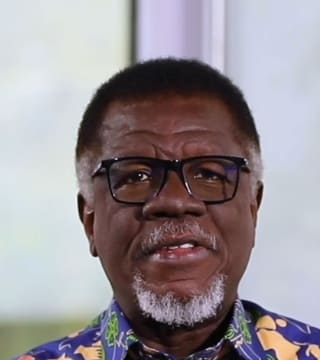
Psalm 10, verse 14: But you have seen; for you observe trouble and grief to repay it by your hand. The helpless commits himself to you; you are the helper of the fatherless. This is a major transition in the psalm. The psalmist starts with «Why, Lord?» and then goes on to talk about the arrogance of the wicked and why the wicked feel so powerful.
Now, he makes a confession of faith; he has moved from questioning God to affirming his faith in God. He has transitioned from being perplexed by the wicked to being strong in faith, and that’s why we, in our prayer, may start troubled, but we must end strong in faith in the Lord. This verse, therefore, responds to the claims made by the wicked that God pays no attention.
The psalmist makes four important statements. The first is that God sees the attacks of the wicked. The verb used for seeing in this verse is both past and actively present. He says, «God, you saw them when they were doing it, and you continue to see it now.»
So, when you thought God didn’t see, He saw it, and He still sees it now. He observes and knows our troubles and our griefs. Troubles pertain to problems that everybody sees; griefs relate to troubles that nobody sees. Grief is inside you, and God sees what is visible and invisible, even the grief of your heart, the pain within you, the inner turmoil you have. He sees it, and that is what the psalmist is saying: God sees; He’s not standing afar off. He even sees what is inside of me and what the wicked are doing.
Thirdly, he says God repays the wicked with His own hand. This means God takes particular interest in dealing with the wicked. He does it with His own hand; He doesn’t leave it to us. When the wicked attack, God doesn’t say, «You go and sort it out yourself.» God says, «Leave it to me; I’ll take care of it with my own hand.» So God repays the wicked with His own hand. That’s why He says, «Vengeance is mine; I will repay.» God wants us to trust Him to handle the matter. The problem is, many times it’s in God’s hands, yet we try to take it out and want to do it ourselves. He says, «I will repay with my own hand; I will do it personally and act visibly.» People will see what I’m doing, and they will know I am not standing afar off; I’m involved in what is happening.
The fourth thing that the psalmist says is that God helps the helpless, the fatherless. The fatherless represents those who have no one to provide for them, no one to speak for them, and no one to defend them. God says, «I will provide for you; I will speak for you; I will defend you.»
That is the God we serve; that is the God we trust. Yes, you may start your prayer asking why, Lord, why do you allow this to happen, but you don’t end your prayer on why, Lord. You end by affirming your faith in who God is, turning from uncertainty to certainty of who He is, trusting Him to do what He has promised. That is exactly where the psalm is taking us. When we are thrown into a pit too deep or cast into an ocean too wide, God sees us, and His hand will deliver us and help us trust in Him.
Let us pray. Say with me, «Heavenly Father, you are the helper of the helpless. Let your hand bring deliverance to all who trust in you. In Jesus' name, amen.» Well, I’ll catch you again tomorrow. I am Pastor Mensa Otabil. Shalom, peace, and life to you.