
Cedric Pisegna - Seek and You Will Find (01/23/2026)
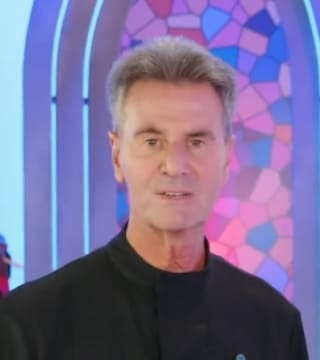
In this sermon on Luke 18's parable of the Pharisee and the tax collector, Father Cedric Pisegna stresses that true prayer flows from humility and a sincere cry for God's mercy, not from pride or self-righteousness. The tax collector, admitting his sinfulness, went home justified, while the self-exalting Pharisee did not. The key takeaway is that God exalts the humble, inviting everyone—whether regular churchgoers or those far away—to approach Him boldly yet contritely for real victory in prayer life.
Welcome to «Live with Passion»! I’m Father Cedric Pisegna, so glad that you tuned in. This is from Luke chapter 18, Jesus told this parable, «Two men went up to the temple to pray; one was a Pharisee, the other was a tax collector. Pharisee stood and prayed thus to himself, 'God, I thank you, that I’m not like other people, extortioners, unjust, adulterers, or even like this tax collector. I fast twice a week, I give tithe and alls I get.' But the tax collector is standing far off, wouldn’t even lift up his eyes to heaven, he beat his breast saying to God, 'Be merciful to me a sinner.' I tell you, this man went down to his house justified rather than the Pharisee: for whoever exalts himself will be humbled; but whoever humbles themselves will be exalted».
I wanna share with you about your prayer life, and I want you to have victory. I believe that God wants you to succeed, to triumph, to have a positive outcome in your prayer life, and we just heard this parable and this is gonna help you, gonna break it open for you so that your prayer life will increase and you will have victory. We are more than conquerors and Jesus who loves us, and that means that we don’t just have victory, we have overwhelming victory. Your prayer life ought to be powerful and getting you into contact with God and hopefully you’re receiving some consolation. The Gospel of Luke emphasizes prayer, if you wanna read one gospel, read Luke. Talks about prayer all over the place, for example, when Jesus is baptized, Mark and Matthew don’t talk about prayer, but in Luke he prays and receives the Holy Spirit.
Luke's Focus on Prayer in Jesus' Life
At his transfiguration, Matthew, Mark, they don’t talk about prayer, but Jesus was praying and he was transfigured, prayer will change you. And then before choosing his apostles, Jesus spent all night in prayer to God. Before you make your decisions, don’t just make decisions off the top of your head, try praying, watch what happens, God will help you. God will give you some peace that surpasses all understanding so that you can make good decisions, good choices in your life. Chapter 11 in the Gospel of Luke, all these teachings, parables about prayer, the Our Father, beautiful teachings on prayer. What I just proclaimed to you is from chapter 18, first of all, we have a parable about prayer that says, «Pray and don’t lose heart,» and then we have this beautiful parable about the Pharisee and the tax collector.
And all this is because I believe that God wants our prayer life to increase, wants it to be successful, not just something that’s hard and you don’t look forward to it, but it’s a relationship that hopefully will continue to grow and to deepen, intensify, and you can go on and have victory in your prayer life.
The Contrast Between the Pharisee and the Tax Collector
Notice the parable, Pharisee and the tax collector, great contrast in the two different people, a great chasm between the two. The Pharisee, he was this professional religious, I gotta be careful about that because I’m a professional religious. And he’s cautioning those of us who go to church, those of us who have good deeds. Of course, he wants us to go to church and he wants us to have good deeds, but don’t rest on your laurels.
The Pharisee, he fasted twice a week, he would fast on Monday and Thursdays, paid tithes, he was a giver, followed the prescriptions of the Torah, the Law, 613 prescriptions of the Law, blameless. And then he got into this comparison mode, he thought he was better than everybody else, especially this tax collector. Be careful when it comes to comparing yourself to other people, why? Because on the last judgment you’re gonna be standing shoulder to shoulder with Mother Teresa, with Billy Graham, and with a lot of great people, the martyrs, and if you start comparing yourself to others, you’re not gonna be able to measure up to them, be careful how you compare yourself. The tax collector, on the other hand, hated, extorted money from his own people, he was a thief, he was despised, low in society.
The Core of True Christianity: Forgiveness Over Perfection
Christians aren’t perfect, they’re forgiven. And I really like that because all of us, all of us, no matter how good you are or how professional religious you are, all of us have sinned and fallen short of the glory of God, and we all stand on equal ground before God needing forgiveness and mercy. This tax collector, he was despised and notice, the Pharisee on the other hand, prayed to himself, that’s what it said in the Bible. That’s what it says in Luke 18, you gotta be careful when you pray, by the way. I noticed sometimes I do that. I’m praying, I go, «Wait a minute, praying to myself here».
Direct your prayer to God, I know that’s a no brainer, but often times we just kinda spit words out of our mouth and we’re praying to ourselves. Rather prayer is something very interpersonal, it’s communication, pray to your Father, pray to Jesus, pray to the Holy Spirit, pray to the Most Blessed Trinity, have a personal relationship with the Trinity itself, with the Godhead itself, with Jesus, the Holy Spirit, and God the Father. Talk to them, not to yourself, but that’s what the Pharisee was doing, he was talking to himself. His prayer wasn’t so much heard, so be careful, communication, that’s what prayer is all about.
Lessons from the Tax Collector's Humble Prayer
The tax collector on the other hand, instead of lauding his own praises, like the Pharisee, he was humble, stood in the back. Wonder why when people gather for Mass, at least in Catholicism, they sit in the back. I wonder if it’s because they read that parable about the tax collector who stood in the back. I don’t know, but it seems to be a phenomenon that happens. But on the other hand, many people sit in the front and I’m grateful for that too. But anyway, he stood in the back and his eyes were down and he beat his breast and he said, «Be merciful to me a sinner». We do that in the Penitential Rite at Mass if you’re a Catholic: «I have sinned through my fault, through my fault, through my most grievous fault». That’s exactly what the tax collector was doing. The book of Hebrews tells us when we pray, come confidently before the throne of grace. We don’t come confidently before the throne of grace because of our own goodness, we come confidently and boldly, because of God’s mercy, because we are confident in God’s mercy.
Prayer is cultivating humility, not being prideful and resting on your own laurels, but really coming to God in humility and lowliness, but boldly and confidently trusting that God hears you, trusting that God will have mercy on you, trusting that God will hear your prayers and answer you.
Postures That Deepen Prayer and Humility
Then let’s talk about posture for a second here, they were both standing, and that’s one posture when it comes to prayer. I wanna help you to pray even better. What about kneeling? I noticed when people go to Mass, a lot of people kneel in the beginning. Unfortunately in some churches, they’ve taken the kneelers out and I think that’s a shame because kneeling is a posture of humility, it’s a posture of great sincerity. Standing is good, but kneeling is even better.
When I was ordained, I didn’t so much kneel or even stand. I remember there was one point in the ceremony we all lay prostrate before the altar, that’s on our face. And talk about a position of humility, and neediness and desiring God. The Litany of the Saints was being sung as we all laid there. If you really wanna be heard, you wanna be serious in your prayer life, take that posture every once in a while, not all the time. But every once in a while when I’m going through things it’s just time to lay prostrate and you really sense that your prayers are being heard. Posture is important, kneeling, standing, sitting, especially laying prostrate.
Crying Out for Mercy: Stories of Transformation
Remember Bartimaeus, the blind beggar sitting by the side of the road. This is in the Gospel of Mark, and he shouted out for mercy. Now here’s this man that has nothing going for him, he’s blind, is a beggar, he’s sitting by the side of the road, everybody’s telling him to shut up. And he cried out for mercy, and Jesus stopped and he said call him over. That’s the way that Jesus was. He reached out to the marginalized people on the periphery, people that cry out for mercy, and I know that from my own life, because I was 19 years old, far from God, loneliness in my heart, going through some trials and tribulations. I had nothing going for me, I had no future, I didn’t know what I wanted to do in my life and I cried, I simply cried out. And Jesus heard my prayer and what a difference Jesus makes, wow.
Just simply from your heart, cry out for mercy. He will have mercy, he will hear you, «The Lord hears the cry of the poor,» Psalm 34. That doesn’t just mean if you’re not financially rich, but it also means that, but especially if you have poverty towards God, maybe you’re not going to church and you haven’t been praying and you’re addicted and you’re steeped in sin or whatever it is, yes, you’ve got poverty. But there’s always time to come back, we’re inviting you to come back.
Approaching God Boldly Through Jesus
You come boldly before the throne because you believe that God will have mercy on you. And you come boldly before the throne, not in your own goodness, but because of Jesus, he died for us and now through him we can approach the throne of the Living God. Come boldly, confidently in your prayers before God. And at every Mass we always don’t pray in our own name, we always pray in the name of Jesus every religious service in the Catholic Church. At Mass we pray to the Father through the Son in the Holy Spirit. And that’s a great way to pray, pray to the Father through the Son in the Holy Spirit.
Every parable that Jesus speaks has some type of a twist or a surprise ending, some type of a punch in the nose if you will, every parable has some statement to shock us, to shake us, to stir us into new ways of praying and living. And this is what it was. The man who prayed and tithed and kept the 613 commandments of the law, the professional religious, was not the one who went home justified. The tax collector, the extortioner, the thief who hardly ever went to synagogue, ever went to temple, he’s the one that went home justified. So there’s a great twist and a great shock in the story that ought to shock us too, especially those of us who go to church all the time, specially we professional religious, quit judging other people, quit resting on your laurels, come to God with sorrow, honesty, come in the name of Jesus.
The Upside-Down Gospel: Humility Leads to Exaltation
Jesus said, «The first will be last, the last will be first». Again, it’s an upside-down gospel, it doesn’t always make sense. I have to say this again, Jesus is not saying don’t go to church or don’t have good works, he’s just saying be careful. Don’t be comparing yourself with everybody else because there’s always better people than you and when you compare yourself with them you’re gonna be the one that’s lacking. Just mind your own business, focus on what you’re going through, come to God with confidence that he will be merciful, come in the name of Jesus, but forget all that religious superiority. And this was a parable about prayer, he’s trying to shake us up a little bit, telling us that the first will be last and the last will be first. For those of you who haven’t been to church in years, this is good news.
Go to church, sit in the back, but beat your breast, have some humility and be willing to change. God will take you at his Word, he will bless you greatly, and he will raise you up, you will go home justified. Come back to church, this is what this program is all about, come back to God. And those of you who go to church, God’s favor is upon you, too, simply come with humility and don’t be looking around at everybody else, focus on yourself, that’s clear.
Practical Tips for a Vibrant Prayer Life
Keep your prayers simple, yeah, go to your closet, talking about prayer now and what really works. I want to augment your prayer life, I wanna help, you this parable is the foundation of it. That yes, God does hear us, we gotta be simple, we gotta be humble, we have to have sorrow, we gotta come with sincerity, but Jesus said, «When you pray, don’t multiply your words, go to your closet, pray to your Father in secret and your father who sees you in secret will reward you».
I love what God said to Abraham, he said, «Abraham, I am your great reward». What’s the reward when you go to your closet and seek God? God is your reward, God is your inheritance and God will hear your prayer and answer your prayer, that’s his reward if it’s according to his will. Doesn’t just give you everything that you want, but he does give you what you need. Jesus said, «Your father knows what you need before you ask him». Just pray, keep it short and simple, it’s not the multiplicity of your words that make it work or make you be heard.
Hearing God's Voice and Living with Passion
Take your mask off, go to your closet, and simply speak from your heart. Ask for wisdom, ask for help, ask for mercy and forgiveness, ask for God’s love. I have on my website a free booklet about prayer. You can download it right there from my website, just go to today’s offers up on the top, you’ll see that booklet about prayer, I want you to have it and I believe that that booklet it’ll really help you. You can download it right away or simply write me in Houston, Texas, call the 844 number, we’ll send it to you for free. My goal as a Catholic priest is I want you to deepen and intensify your prayer life with God. I want you to have victory, I do the same old thing all the time, if there’s one thing I hear from people, it’s, «Father, my prayer life is boring and it’s stale and it’s dry and I need something».
But try changing it a little bit, varying it, if you’re bored, think about God, you must be bored too. What are the rewards that God will give us? I love what it says in Hebrews 11, «God is the rewarder of those who seek him». Jesus said, go to your closet, «pray to your Father in secret and your Father who sees you in secret will reward you». Reward you with what? As I said, he will reward you with himself. You will have experiences of God, consolation, comfort, new energy, new strength, power, passion, inner strength, most of all, a deep relationship with God. And sometimes he will answer your prayers exactly as you make them, other times not so much because gotta pray according to God’s will. As you pray as Jesus taught, as you pray according to God’s will, he will answer your prayers.
Love what it says in Jeremiah 33:3, Jeremiah challenges us, God does, through the prophet, «Call to me and I will answer you. I will tell you great and mighty things of which you do not know». Wow, that’s Jeremiah 33:3. You see, God wants to communicate with us, he gives us the scriptures, the Bible. What about music? God comes through all these things, God is incarnational. He comes through the fabric of what we can see and hear as well as supernatural, but also God comes through artwork. Hopefully through this television program, radio programs, many other people that are broadcasting the gospel. I love that Psalm 95 of today, «You hear the voice of the Lord, harden not your heart».
I’m not an expert about hearing God’s voice because like most of you, I struggle in that but every once in a while I do hear God’s voice. My whole journey to the priesthood was through discerning God’s voice. I went to novitiate for a whole year and I discerned that God, yes, was calling me to the priesthood, to the Passionists. And it’s not so much that I heard his voice as I heard his voice. It’s something, it’s an instinct, it’s a knowing within, you just sense it and you get better and better at it as you go along. My call toward media and television and radio and writing books, it was an impulse from God within and I followed it. And sure enough it bore fruit, that’s one of the ways you can know if it’s from God.
If it bears fruit it’s probably from God, but if it doesn’t it probably wasn’t from God, but you gotta try, you gotta cooperate with the voice of God, and then God speaks to us in the everyday. He’s intimately and intricately involved in our life. For example, one time this is an absolutely true story, it’s a little humorous, but it’s a true story. One time I was just simply driving and I went into a parking lot and I noticed that the parking lot had a lot of open spaces. And as I’m pulling in, I sensed within me it wasn’t a loud voice I sensed within me, «Don’t park there, go down a couple more slots».
All right, so I don’t know why, but I just went down a couple more slots, turned the car off, opened the door, looked down on the pavement, there was a $100 bill on the pavement. If I had parked over there, I never would have seen it, and my point is it pays to listen to the voice of God. And that’s an absolute true story, so God speaks to us. He’s involved in our lives all the time.
The Power of Communal and Scriptural Prayer
And then I wanted to share with you the fact that it’s not just individual prayer, as Christians it’s communal prayer. Notice, even the Pharisee went up to the temple, the publican, the tax collector went up to the temple. That’s the Jewish people, they gathered in community. Catholics gather in community, Christians gathering community. That’s an important part of our prayer too. It’s not just an individualized thing, it’s a both/and, individual and community. And we can hear the voice of God in community also. Our pope, Pope Francis talked about prayer and he talked about it as being a symphony, the symphony of prayer, and as you know in a symphony, it’s an orchestra, there are many different instruments. For example, as religious we pray the psalms antiphonally, side to side. And when we look at the psalms, I find them very practical.
For example, if you’re feeling down or depressed, Psalm 42, «Why are you cast down my soul? Hope in God I will praise him still». So I’m saying that in prayer, go to the scriptures, like Jesus, pray the psalms, they will lift you up, they will speak to you. If you’re traveling, praise Psalm 121, «God will guard my going and my coming from this time and forevermore». I pray that all the time when I’m driving, that God will guard me. On Fridays we pray Psalm 51, «Have mercy on me, Lord, create in me a clean heart».
David, who had a heart for God, was praying for God to cleanse his heart. And if you’re having a hard time, Psalm 23, of course. «Even though I walk through the valley of the shadow of darkness, I fear no evil because you are with me». In my book about prayer, I quote Psalm 20 at the beginning. «The Lord answer you in time of trouble». The bottom line is that if you wanna pray, go to the scriptures, pray the psalms, they’re very practical. I want you to have victory in your prayer life. God wants you to be more than a conqueror and not just to pray but to pray with significance and success. We have victory in Jesus and we are more than conquerors, so simply come to God with sorrow, with an open heart, with sincerity, not comparing yourself with others, with contrition, with confidence, pray the scriptures, and you will be more than a conqueror, victory in Christ, victors, not victims, and don’t just live, live with passion.